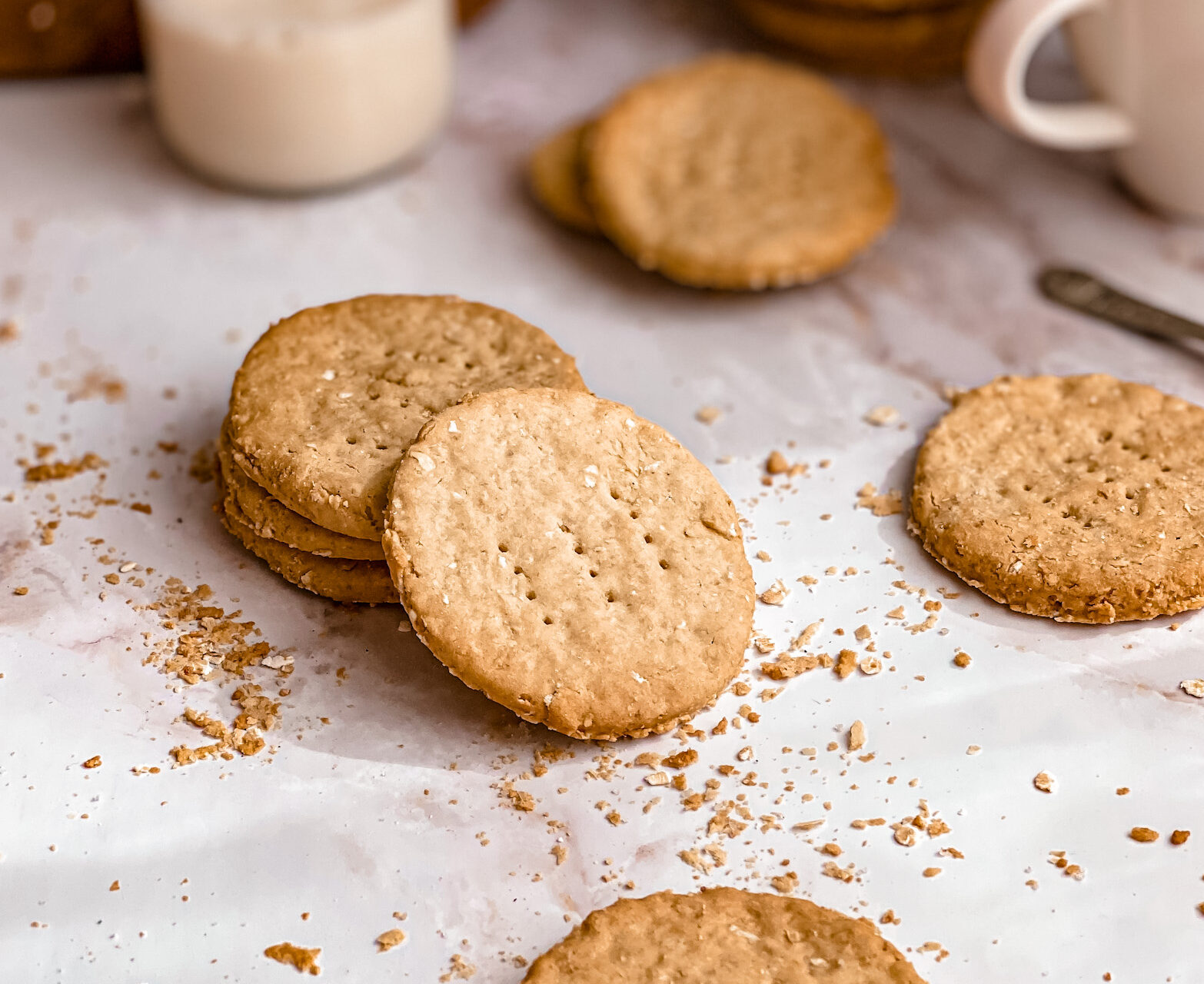
The comforting crunch of a digestive biscuit, perfectly paired with a steaming mug of tea, is a beloved ritual for many. Yet, a quick glance at the ingredients list of most store-bought digestives often reveals a less-than-comforting truth: an abundance of refined sugars, unhealthy saturated fats, and processed flours. What if you could enjoy that classic dunkable treat without the guilt? Enter the world of homemade, gluten-free, and vegan oat digestives – a revolutionary way to enjoy a timeless classic, offering a truly healthier digestive biscuits oat cookies experience than anything you'll find on supermarket shelves.
In an age where health-conscious choices are paramount, reimagining our favourite snacks becomes essential. These aren't just any oat cookies; they're a thoughtfully crafted alternative designed to nourish your body while satisfying your cravings. By harnessing the power of wholesome oats, plant-based ingredients, and smart sugar reduction, you can transform a simple biscuit into a remarkably nutritious and utterly delicious treat.
Unpacking the "Digestive" Claim: A Historical Perspective & Modern Reality
The name "digestive biscuit" itself is a nod to its original intent. First developed in the 19th century, these biscuits were purportedly designed to aid digestion, primarily due to their baking soda content, which was thought to neutralize stomach acids. Traditionally, they also contained wholemeal flour, adding a dose of fiber that was beneficial for gut health.
Fast forward to today, and the reality of many commercial digestive biscuits has drifted significantly from this healthy origin. While the name persists, the nutritional profile often tells a different story. Many popular brands are laden with:
- Refined White Sugar: A primary ingredient, contributing empty calories and potential health issues when consumed in excess.
- Saturated Fats: Often derived from butter, palm oil, or a blend of vegetable oils, these contribute to unhealthy cholesterol levels and offer little nutritional value.
- Refined Wheat Flour: For those with gluten sensitivities or those looking to reduce their gluten intake, traditional wheat flour can be problematic. Even without sensitivities, refined flour lacks the full spectrum of nutrients found in whole grains.
- Artificial Additives: Some brands may include emulsifiers, flavorings, and preservatives to enhance shelf life and taste, which are best avoided.
This stark contrast highlights why taking control of your ingredients is key. By making your own gluten-free and vegan oat digestives, you're not just baking; you're reclaiming the true spirit of a "digestive" biscuit, transforming it into a genuinely wholesome snack.
Crafting Your Own: The Nutritional Advantage of Gluten-Free & Vegan Oat Digestives
The beauty of homemade digestives lies in your ability to dictate every ingredient, ensuring a nutrient-rich outcome that store-bought options simply can't match. Here's how these healthier digestive biscuits oat cookies shine nutritionally:
The Power of Oats
Oats are the superstar ingredient in these healthier digestives. Certified gluten-free rolled oats form the base, offering a wealth of benefits:
- High in Fiber: Oats are rich in soluble fiber, particularly beta-glucan, which is known to lower cholesterol levels, stabilize blood sugar, and promote a healthy digestive system. This makes them truly "digestive" in the best sense of the word.
- Nutrient-Dense: They provide essential vitamins and minerals like manganese, phosphorus, magnesium, copper, iron, zinc, and B vitamins.
- Sustained Energy: The complex carbohydrates in oats provide a steady release of energy, keeping you feeling fuller for longer and preventing energy crashes.
For an extra boost, you can even create your own gluten-free flour by grinding rolled oats and mixing them with nuts. This not only adds more fiber but also healthy unsaturated fats, vitamins, and minerals that white flour lacks.
Smart Fat Choices for Heart Health
Instead of relying on butter or palm oil, homemade versions can incorporate healthier fat sources. While the referenced recipe uses room temperature butter, a vegan version would opt for a high-quality plant-based butter or leverage the natural fats from nuts and seeds if incorporated into the flour mix. Nuts, for example, provide beneficial unsaturated fats that support heart health, brain function, and overall well-being. This significant swap drastically improves the nutritional profile compared to biscuits heavy in saturated fats.
Reducing Sugar, Not Flavor
One of the most impactful changes in these healthier digestives is the drastic reduction in added sugar. While traditional recipes can call for substantial amounts, homemade versions allow you to significantly cut back. The reference context suggests a perfect amount of 1/3 cup (5 tbsp) but also notes that 3 tbsp can suffice. The secret weapon here is dark chocolate. Unsweetened or high-cacao dark chocolate provides a rich, complex bitterness that complements the natural sweetness of the oats, allowing you to use less sugar in the biscuit dough itself. You can even opt for completely sweetener-free dark chocolate for the coating, maximizing flavor without compromise.
Embracing Vegan & Dairy-Free Living
By simply substituting traditional butter with a plant-based alternative (or relying on fats from nuts) and using homemade or store-bought oat milk, these digestives become entirely vegan and dairy-free. This opens up a delicious world of snacking for those with dairy allergies, lactose intolerance, or who choose a plant-based lifestyle, ensuring everyone can enjoy a healthier treat.
Beyond the Basics: Tips for Perfecting Your Healthier Oat Cookies
Making your own healthier digestive biscuits oat cookies is a rewarding experience. Here are some pro tips to ensure perfect results every time:
The Magic of Homemade Oat Milk
As suggested by the reference, making your own oat milk is surprisingly simple and adds an extra layer of freshness and control to your recipe. Simply blend rolled oats with water until a fine flour and liquid form. Strain if desired, or use as is for a thicker, more fibrous milk. This not only ensures a pure, additive-free liquid but also means you're building a whole-food snack from the ground up.
Dough Handling Made Easy
Working with digestive biscuit dough is straightforward. After combining your dry ingredients (oats, flour, baking soda, a pinch of salt if using) and then rubbing in room temperature plant-based butter (or cold if using a food processor), gradually add your oat milk. Knead until a non-sticky dough forms. The easiest way to roll out the dough to your desired thickness is to sandwich it between two sheets of non-stick parchment paper. This prevents sticking and ensures an even roll. You can then use a cookie cutter or even the rim of a glass to cut out perfect circles. For authentic sizing, you can even use a store-bought digestive biscuit as a guide for size and thickness before baking.
Baking for Optimal Texture and Color
Preheat your oven to around 350ºF/170ºC. Arrange your biscuit circles on a baking tray and bake for approximately 15 minutes. For a classic "digestive brown" color and a slightly crispier texture, you might bake them a minute or two longer, keeping a close eye to prevent burning. Remember, they will firm up further as they cool.
The Dark Chocolate Finish
Once your oat cookies are completely cooled, they're ready for their decadent dark chocolate dip. Gently melt your chosen chocolate – whether it's unsweetened, 70% cacao, or even a vegan milk chocolate alternative. Dip one side of each biscuit, allowing any excess to drip off before placing them on parchment paper to set. The bitterness of dark chocolate not only balances the sweetness but also offers its own health benefits, including antioxidants.
The Art of Guilt-Free Indulgence: Why Homemade Trumps Store-Bought
Beyond the nutritional benefits, there's an immense satisfaction that comes from baking your own healthier digestive biscuits oat cookies. You gain complete transparency over every ingredient, eliminating hidden sugars, unhealthy fats, and artificial additives. This control empowers you to tailor the recipe to your dietary needs and taste preferences, whether you prefer less sugar, more chocolate, or specific types of nuts.
The act of baking itself can be therapeutic, and the aroma of freshly baked oat cookies filling your home is an unparalleled pleasure. Sharing these homemade treats with loved ones is even better, offering them a delicious and genuinely healthy snack option. You can indulge in that cherished tea-dunking ritual with a significantly reduced sense of guilt, knowing you're nourishing your body with fiber-rich, wholesome ingredients. This isn't just about making biscuits; it's about embracing a lifestyle where delicious taste and good health coexist harmoniously.
Conclusion
Opting for homemade, gluten-free, and vegan oat digestives is a simple yet profound choice for your health and well-being. By swapping refined ingredients for whole, nutrient-dense alternatives like oats, natural sweeteners, and plant-based fats, you transform a potentially unhealthy snack into a truly guilt-free indulgence. Say goodbye to the mystery ingredients and excessive sugars of store-bought versions and hello to a customizable, fiber-rich, and utterly delicious treat that genuinely lives up to its "digestive" name. So, next time that craving strikes, gather your ingredients and embark on a rewarding journey to bake your own batch of the finest healthier digestive biscuits oat cookies you'll ever taste. Your body – and your taste buds – will thank you.
